Pieniądze, które ci się należą
Faktura przeterminowana trzydzieści dni. Potem sześćdziesiąt. Potem dziewięćdziesiąt. Telefon nie odbierany, mail bez odpowiedzi, obietnice bez pokrycia.
Znasz ten scenariusz. Każdy przedsiębiorca go zna.
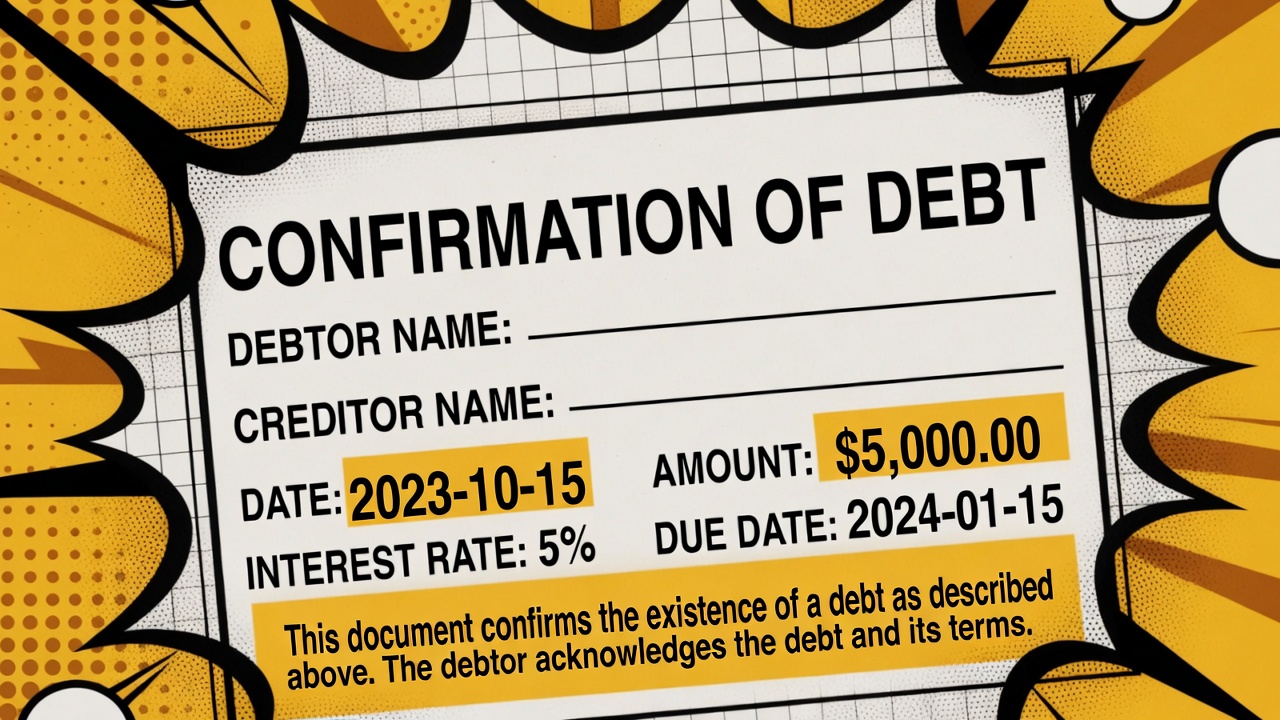
Windykacja to nie jest zemsta ani kara. To odzyskiwanie tego, co Twoje — pieniędzy, które zarobiłeś, usług, które wykonałeś, towarów, które dostarczyłeś. Równowaga została zaburzona. Twoim prawem jest ją przywrócić.
Dlaczego dłużnicy milczą
Daniel Kahneman, noblista od ekonomii behawioralnej, pokazał, że ludzie odczuwają stratę dwukrotnie silniej niż zysk. Dla dłużnika każdy kontakt z wierzycielem to konfrontacja ze stratą — i mózg uruchamia reakcję unikania.
Dlatego nie odbierają telefonów. Nie otwierają listów. Nie odpisują na maile. Nie dlatego, że są złodziejami — dlatego, że każda interakcja z tematem długu wywołuje stres, a unikanie stresu jest głęboko ludzkie.
Windykator, który tego nie rozumie, eskaluje presję i pogłębia mur milczenia. Windykator, który rozumie, szuka sposobu na przerwanie spirali unikania — przez jasne opcje, realistyczne propozycje, ścieżkę wyjścia, którą dłużnik może zaakceptować.
Windykacja a czynnik czasu
Badania nad skutecznością windykacji pokazują jedno wyraźnie: czas jest kluczowy.
Należność przeterminowana tydzień ma radykalnie wyższy potencjał dobrowolnego zwrotu niż należność przeterminowana trzy miesiące. Nie dlatego, że dłużnik staje się biedniejszy — dlatego, że psychologicznie oddala się od długu. Świeża faktura to konkretne zobowiązanie. Stara faktura to abstrakcja, jeden z wielu problemów, „coś, co się jakoś rozwiąże”.
Zasada jest prosta: działaj natychmiast po terminie płatności.
Trzy opcje zamiast jednej
Richard Thaler, kolejny noblista od zachowań ekonomicznych, wprowadził pojęcie „architektury wyboru” — sposobu, w jaki prezentacja opcji wpływa na decyzje.
Dłużnik, który słyszy „zapłać wszystko natychmiast albo idziemy do sądu”, ma dwie możliwości: zapłacić (czego często nie może) lub zignorować (co jest łatwiejsze). Dłużnik, który dostaje trzy opcje — spłata jednorazowa z 10% rabatem, raty przez sześć miesięcy, przedłużenie terminu o 30 dni — może wybrać.
Konkretnie:
– Opcja A: Pełna spłata w 7 dni – rabat 10%
– Opcja B: Spłata w 3 ratach – bez rabatu, bez odsetek
– Opcja C: Przedłużenie terminu o 30 dni – odsetki ustawowe
Daj wybór. Dłużnik, który wybiera, czuje kontrolę. Dłużnik, który czuje kontrolę, częściej płaci.
Sekwencja eskalacji
Windykacja ma swoją dramaturgię. Każdy krok daje dłużnikowi szansę na reakcję — i jasno pokazuje, co stanie się, jeśli nie zareaguje.
Przeskakiwanie etapów to błąd. Dłużnik, który dostaje pozew bez wcześniejszego wezwania, czuje się zaatakowany — i broni się agresywniej. Dłużnik, który widział każdy krok, wie, że sam doprowadził do tej sytuacji.
Kiedy negocjować, kiedy iść do sądu
Robert Cialdini, psycholog wpływu społecznego, opisał „zasadę wzajemności” — skłonność do odwzajemniania tego, co otrzymaliśmy.
W praktyce windykacyjnej to oznacza: ustępstwo, które kosztuje cię niewiele, może odblokować płatność. Umorzenie części odsetek. Rozłożenie na więcej rat. Przesunięcie terminu o dwa tygodnie.
Ale jest granica. Jeśli dłużnik:
– nie reaguje na żadne wezwania,
– składa obietnice i ich nie dotrzymuje,
– wyprowadza majątek,
– kwestionuje należność bez podstaw,
…to czas na sąd. Dalsze negocjacje tylko dają mu czas na ukrycie aktywów.
Co możemy dla Ciebie zrobić?
Windykacja przedsądowa. Wezwania, negocjacje, porozumienia ratalne — większość należności odzyskuje się na tym etapie, jeśli działasz szybko.
Postępowanie sądowe. Nakazy zapłaty, pozwy, europejskie procedury transgraniczne. Reprezentujemy do momentu uzyskania tytułu wykonawczego.
Egzekucja. Współpracujemy z komornikami, wskazujemy majątek, monitorujemy przebieg. Nie zostawiamy sprawy z wyrokiem w szufladzie.
Skarga pauliańska. Gdy dłużnik wyprowadził majątek — odwracamy tę operację.
Zabezpieczenia. Pomagamy skonstruować transakcje tak, żeby windykacja nie była potrzebna.
Ostatnia myśl
Windykacja to nie polowanie na dłużnika. To zarządzanie ryzykiem — twoim ryzykiem, że pieniądze, które zarobiłeś, nigdy do ciebie nie wrócą.
Im szybciej zaczniesz, tym większa szansa. Im lepiej rozumiesz psychologię dłużnika, tym skuteczniej przerwiesz jego unikanie. Im precyzyjniej działasz prawnie, tym mniej czasu i pieniędzy stracisz.
Możesz czekać i mieć nadzieję, że zapłaci. Możesz działać i odzyskać to, co twoje.
Wybór należy do Ciebie. My pomagamy go zrealizować.
Najczęściej zadawane pytania
Jak wnieść sprzeciw od nakazu zapłaty w postępowaniu upominawczym